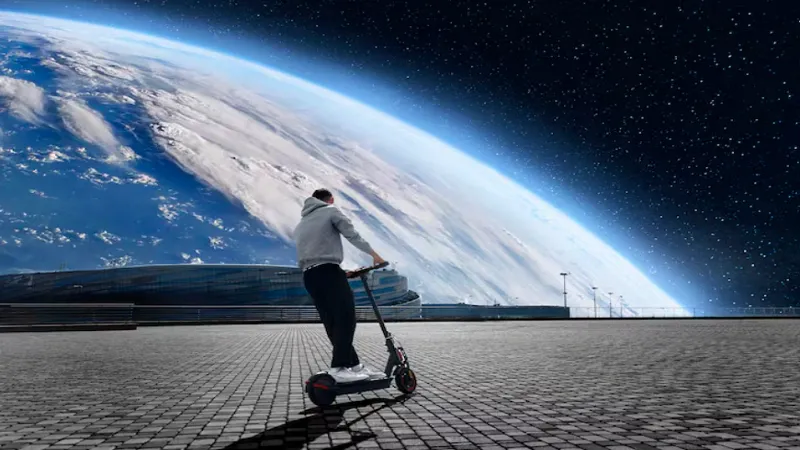
The world is evolving at a speed never seen before. Technology, global collaboration, and innovative thinking are transforming how people live, work, and interact with each other. In this rapidly changing environment, a new concept is emerging that represents hope, innovation, and limitless possibilities — the openfuture world. This idea represents a future where opportunities, knowledge, and technology are accessible to everyone, allowing societies to grow in a more inclusive and sustainable way.
Understanding the Idea of an Open Future
To understand the concept fully, we must first look at the changes happening around us. Digital technology has connected billions of people worldwide. Information that once took days or weeks to reach people can now be accessed in seconds. Education, business, and communication have all moved toward open and accessible systems.
An openfuture world is built on the belief that innovation should not be limited to a few individuals or companies. Instead, ideas, knowledge, and opportunities should be shared so that everyone can benefit. Open-source technologies, collaborative platforms, and global learning systems are already moving society in this direction.
The concept also emphasizes transparency and accessibility. Governments, organizations, and communities can use open data and shared knowledge to solve global problems more effectively. When people work together and share information, progress becomes faster and more meaningful.
Technology as the Foundation
Technology plays a major role in creating this new future. Artificial intelligence, blockchain, cloud computing, and digital networks are transforming the way the world operates. These technologies make it easier to share knowledge, collaborate across borders, and develop solutions to global challenges.
In an openfuture world, technology is not just controlled by large corporations. Instead, developers, researchers, and innovators from around the world contribute to building tools that anyone can use. This collaborative approach allows small startups, students, and independent creators to participate in shaping the future.
For example, open-source software communities already demonstrate how collaboration can create powerful innovations. Thousands of developers work together voluntarily to build systems that are used by millions of people. This spirit of openness is one of the core principles of the open future.
Education Without Barriers
Education is another critical element in building a better future. In the past, access to quality education was often limited by location, financial resources, or social status. Today, online learning platforms, digital libraries, and global courses are breaking these barriers.
In an openfuture world, education becomes a universal right rather than a privilege. Anyone with internet access can learn new skills, explore different subjects, and build a career without traditional limitations. This democratization of education allows people from developing regions to compete globally.
Students can collaborate with peers across different countries, exchange ideas, and work on global projects together. As a result, knowledge spreads more quickly, and creativity flourishes. The future workforce will be more diverse, skilled, and innovative because of these open learning systems.
Economic Opportunities for Everyone
Another important aspect of this new future is the creation of fair economic opportunities. Digital platforms are already enabling freelancers, entrepreneurs, and creators to reach global markets. People no longer need to rely only on local job markets to build successful careers.
The openfuture world encourages innovation-driven economies where ideas matter more than location or background. Small startups can compete with large corporations by using digital tools and global collaboration networks.
Additionally, new technologies such as decentralized finance and blockchain systems may help create more transparent financial systems. These systems could reduce barriers to investment and provide people with greater control over their economic futures.
Global Collaboration and Sustainability
One of the most powerful aspects of an open future is global cooperation. Many of the world’s biggest challenges — including climate change, public health crises, and resource management — require international collaboration.
The openfuture world promotes shared responsibility for solving these problems. Scientists, governments, and communities can share research, data, and solutions across borders. By working together openly, humanity can develop more effective strategies to protect the planet and improve the quality of life.
Sustainability also becomes a central focus. Open innovation can lead to new renewable energy solutions, efficient agricultural systems, and environmentally friendly technologies. These developments help ensure that economic growth does not come at the cost of environmental damage.
Challenges on the Path Forward
While the idea of an open future is inspiring, there are still challenges that must be addressed. Issues such as digital inequality, cybersecurity risks, and misinformation can slow progress. Not everyone currently has equal access to technology or reliable internet connections.
Building an open and inclusive system requires cooperation between governments, technology companies, educators, and communities. Policies must support innovation while also protecting privacy and security.
Despite these obstacles, the progress already made shows that the vision of a more open and connected world is achievable.
Looking Ahead
The future of humanity depends on how we choose to use our knowledge and technology. If society continues to embrace openness, collaboration, and shared innovation, the possibilities are endless.
The vision of an openfuture world represents more than just technological advancement. It represents a global commitment to fairness, opportunity, and collective progress. By supporting open systems and encouraging collaboration, people everywhere can contribute to shaping a better tomorrow.
As new generations grow up in an increasingly connected world, they will have the tools and knowledge needed to solve problems that once seemed impossible. The journey toward this future has already begun, and with continued effort, it may lead to a world where opportunity truly belongs to everyone.